

WHEN GIANTS WALKED THE LAND: KALABARI’S HISTORIC STATESMEN, MODERN TORCHBEARERS AND THE 2027 TEST OF RESILIENCE
From the courtroom, cabinet and United Nations of yesterday to the boardrooms, assemblies, traditional stools and the governorship race of today — the Kalabari story of excellence continues, even as political traders threaten the legacy.
By Emeka Amaefula
There was a time when the name of a Kalabari statesman carried weight far beyond the creeks and islands of the Niger Delta. Political leadership was not then measured merely by the size of a political structure, the number of people assembled at a rally, the convoy surrounding a politician or the ability to distribute patronage. It was measured by intellect, courage, professional accomplishment, sacrifice, patriotism, public service and the ability to leave institutions stronger than they were found.
The history of old Rivers State — and indeed the development of modern Rivers State — cannot be told without acknowledging the extraordinary contributions of men from the Kalabari Kingdom and the wider Rivers political family. From Chief P.G. Warmate, G.K.J. Amachree, Nabo Graham-Douglas, Wenike Briggs, Mofia Akobo, Joe Iyalla, S.K. Dagogo-Jack and T.O. Graham-Douglas, to Chief Dr. Marshall Sokari Harry, High Chief Olu Benson Lulu-Briggs and the living elder statesmen who followed them, a remarkable generation established a standard of leadership that remains difficult to match.
They were lawyers, diplomats, doctors, soldiers, ministers, administrators, businessmen, engineers, traditional leaders and political strategists. They did not all belong to the same political party. They did not always agree. Some became bitter political opponents. Some crossed party lines. One of them, Marshall Harry, was assassinated. But together, in different ways, they helped build the political, professional and economic architecture of Rivers State.
And now another generation stands at the crossroads. The 2027 governorship election will not merely be another electoral contest. For the Kalabari, it may become another test of whether the old tradition of excellence can survive the age of political trading.
THE OLD GIANTS — AND WHAT EACH LEFT BEHIND
Chief P.G. Warmate — The Political Architect of the Rivers State Agitation
Chief P.G. Warmate belongs among the earliest political architects of the movement for Rivers State. As a leading member of the NCNC in the old Eastern Region, he initiated and led the Rivers Chiefs and Peoples’ Conference in 1956. At the Rex Cinema Hall in Port Harcourt, Warmate moved the historic motion that gave formal birth to the Rivers Chiefs and Peoples’ Conference — one of the broad platforms through which the agitation for a separate Rivers State was pursued.
His defining legacy was political organisation and persistence. Warmate belonged to a generation that understood that political emancipation required organisation, negotiation, persistence and sacrifice. They did not inherit Rivers State. They fought for it.
Chief Dr. Marshall Sokari Harry — The Kingmaker Who Challenged the Establishment
Chief Dr. Marshall Sokari Harry represented one of the most consequential chapters in the political construction of the new democratic Rivers State. Human Rights Watch described him as an important politician nationally and in Rivers State, where he was known as a political “kingmaker.”
When Nigeria returned to democratic rule in 1999, Marshall Harry stood at the centre of that political transition. He became a leading figure in the formation and consolidation of the Peoples Democratic Party structure in Rivers State and played a decisive role in the political process that produced Dr. Peter Odili as the PDP governorship candidate.
His subsequent break with the political establishment was equally significant. Suspended by the PDP in 2001, he moved to the ANPP and became National Vice-Chairman for the South-South zone.
On 5 March 2003, only weeks before the general elections, Marshall Harry was murdered at his residence in Abuja.
His defining legacy was political strategy, grassroots organisation, courage and the willingness to challenge a political structure he had helped build. His assassination remains one of the darkest chapters in Rivers State’s democratic history.
Chief Godfrey Kio Jaja Amachree — The First Lawyer and International Diplomat
Chief Godfrey Kio Jaja Amachree, popularly known as G.K.J., was the first lawyer produced by the Kalabari ethnic nationality. Born in 1917, he became Nigeria’s first indigenous Solicitor-General of the Federation in 1958 and later the first African Under-Secretary-General of the United Nations.
His defining legacy was the internationalisation of Kalabari excellence — demonstrating that a son of the Niger Delta could rise from local roots to the highest levels of Nigeria’s legal and international diplomatic establishment.
Chief Nabo Bekinbo Graham-Douglas, SAN — The Legal Titan
Chief Nabo Bekinbo Graham-Douglas, SAN, born in Abonnema in 1926, became one of Nigeria’s most distinguished lawyers. He served as Attorney-General of Eastern Nigeria, Attorney-General and Commissioner for Justice of Rivers State and later Federal Attorney-General and Commissioner for Justice.
His defining legacy was the elevation of jurisprudence, public law and constitutional administration. He belonged to the pioneering generation of Nigerian Senior Advocates.
Chief Wenike Opurum Briggs — The Lawyer, Journalist, Politician and Minister
Chief Wenike Opurum Briggs, born in Abonnema in 1918, combined journalism, law and politics. He became a parliamentary representative and later served as Federal Minister of Education and Minister of Trade under General Yakubu Gowon.
His defining legacy was versatility — demonstrating that journalism, law, parliamentary politics and national administration could become complementary instruments of public service.
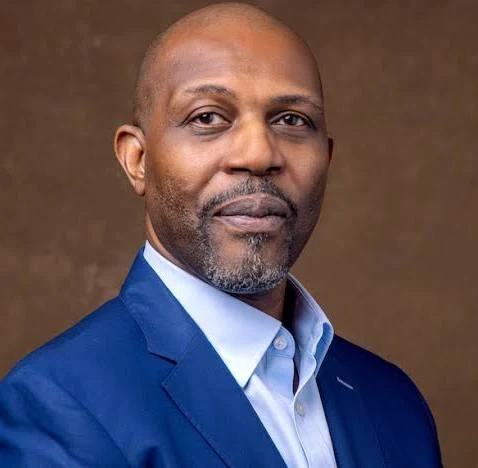
Dr. Mofia Tonjo Akobo — The Doctor, Soldier and Petroleum Minister
Dr. Mofia Tonjo Akobo, born in Abonnema in 1934, represented an extraordinary combination of medicine, military service and national political leadership. A medical doctor who became a soldier, he served during the Civil War and later became Nigeria’s first Federal Minister of Petroleum Resources in 1975.
His later advocacy for resource control and environmental justice connected his career to the enduring Niger Delta struggle.
His defining legacy was the fusion of professional expertise, military service, national responsibility and Niger Delta advocacy.
Ambassador Joe Tonye Fubara Iyalla — The Diplomatic Voice
Ambassador Joe Tonye Fubara Iyalla, born in Bakana in 1928, became one of Nigeria’s distinguished diplomats. As Ambassador to the United States during the Civil War, he represented Nigeria’s position at a crucial moment in the nation’s history. He later served as Permanent Secretary in the Ministry of External Affairs and Assistant Secretary-General of the OAU.
His defining legacy was diplomacy — carrying Nigeria’s voice abroad at some of the most delicate moments in the country’s history.
Chief Sumner Karibi Dagogo-Jack— The Administrator
Chief Sumner Karibi Dagogo-Jack, popularly known as S.K., represented the administrative tradition. He rose through the public service to become Head of Service and Secretary to the Rivers State Government and later chaired the National Electoral Commission.
His defining legacy was institutional administration and public-service discipline — the quiet architecture through which governments actually function.
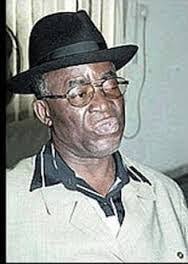
Chief Tonye Omubo Graham-Douglas — The National Political Powerhouse
Chief Tonye Omubo Graham-Douglas, Alabo of Abonnema, became one of the most recognisable Kalabari political figures of his generation. He served as a federal minister on four occasions under military and civilian administrations and contributed to major projects including the Liberation Stadium and the Alfred Diete-Spiff Civic Centre.
His defining legacy was national political influence and the ability to translate federal access into projects and institutions of lasting relevance to Rivers State.
His death in 2022 closed another chapter in the history of the old political class.
Henry Odein Ajumogobia, SAN, OFR — The Lawyer, Petroleum Policy Expert and Diplomat
Henry Odein Ajumogobia, SAN, OFR, born on 29 June 1956 and a Kalabari son of Abonnema, stands as one of the most distinguished legal and diplomatic figures produced by the Kalabari Kingdom in the contemporary era.
A graduate of the University of Lagos and Harvard Law School, he was called to the Nigerian Bar in 1979 and became a Senior Advocate of Nigeria in 2003. That same year he was appointed Attorney-General and Commissioner for Justice of Rivers State.
He later served as Minister of State for Petroleum Resources and subsequently Minister of Foreign Affairs. As Foreign Minister, he sat on Nigeria’s National Security Council and served as President of the United Nations Security Council in 2010.
His defining legacy is the bridge he built between elite legal practice, state justice administration, petroleum policy, national security and international diplomacy.
Ajumogobia’s career therefore extends the continuum of Kalabari excellence from G.K.J. Amachree and Nabo Graham-Douglas into the modern professional and diplomatic era.
Chief Harold Dappa-Biriye — The Wider Rivers Political Struggle
Any historical account of the struggle that produced Rivers State must also acknowledge Chief Harold Dappa-Biriye.
A historical clarification is necessary: Dappa-Biriye was an Ibani/Bonny statesman, not Kalabari. However, his contribution to the wider Rivers and Niger Delta political struggle makes him relevant to this story.
He was one of the earliest and most persistent advocates of minority political rights and greater recognition for the peoples of the Niger Delta.
His defining legacy was the wider minority-rights struggle within which Kalabari leaders and other Rivers political figures pursued the creation and development of Rivers State.
High Chief Dr. Olu Benson Lulu-Briggs— The Industrialist Who Turned Wealth into Philanthropy
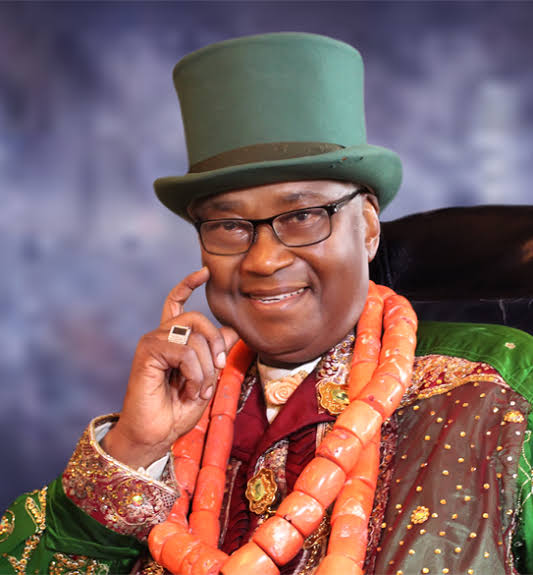
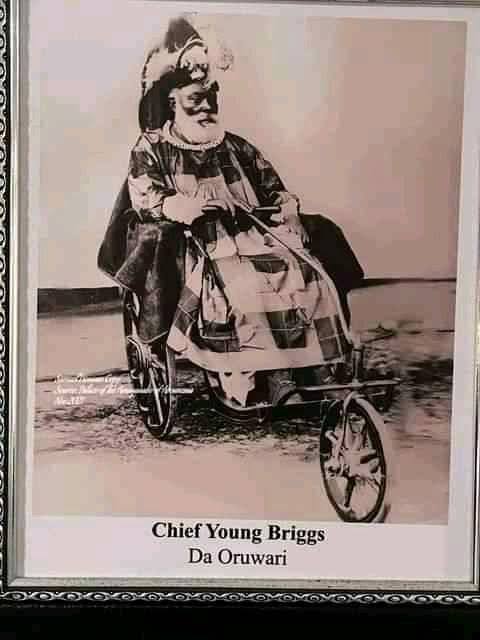
High Chief Dr. Olu Benson Lulu-Briggs, OON, Iniikeiroari V of the Kalabari Kingdom and Paramount Head of the Oruwari-Briggs War-Canoe House of Abonnema, was one of the most remarkable indigenous businessmen produced by Rivers State.
Born in Abonnema in 1930, he rose from difficult circumstances to become a businessman, politician, statesman and philanthropist. He founded Moni Pulo Limited, one of Nigeria’s pioneering indigenous oil and gas companies.
His philanthropy became legendary. His most enduring lesson was that private wealth could become an instrument of public good.
His defining legacy was enterprise with social responsibility — the transformation of business success into philanthropy, community development and humanitarian intervention.
Dr. Ombo Ferguson Isokrari — The Technocrat and Industrialist
Dr. Ombo Ferguson Isokrari represents the technocratic and industrial tradition of Kalabari achievement. A geologist, petroleum engineer and industrialist, he demonstrated that Kalabari leadership extended beyond politics into science, engineering and enterprise.
His defining legacy was professional and industrial excellence — proving that technical knowledge and enterprise are equally important pillars of nation-building.
Engr. Reynolds Bekinbo Dagogo-Jack — The Engineer and Technocrat
Engr. Reynolds Bekinbo Dagogo-Jack, popularly known as “Beks”, represents the professional technocratic class. A civil engineer, he rose into public administration and became associated with major infrastructure and power-sector responsibilities.
His defining legacy was technical competence applied to public infrastructure and administration.
High Chief Ferdinand Anabraba — The Boardroom Elder and Political Bridge
High Chief Ferdinand Anabraba represents another important dimension of the living legacy of Kalabari leadership — the intersection of business, finance, boardroom strategy, political organisation, elder statesmanship and community influence.
Today, Anabraba remains recognised as an elder statesman and influential Kalabari political figure. He has been associated with the Rivers State Elders Forum and PDP elder structures, while his background in business and finance has given him an unusual understanding of both the boardroom and political arena.
His defining legacy is continuity — connecting financial and business expertise with political experience, elder statesmanship and institutional memory.
He represents a generation that understands that political power without economic knowledge is fragile, while business influence without social responsibility is incomplete.
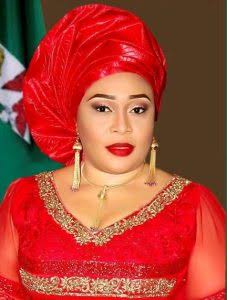
THE MODERN TORCHBEARERS
The old giants eventually gave way to a new generation. Among the contemporary generation are High Chief Dumo Lulu-Briggs, Chief David Theophilus Briggs, Tonye Patrick Cole, Prince Tonye T.J.T. Princewill, Dr. Tammy Wenike Danagogo, Chief Albert Korubo Horsfall, Rt. Hon. Otelemaba Daniel Amachree, Hon. Ojukaye Flag-Amachree, Senator Dr. Ipalibo Harry-Banigo, Hon. Dr. Ipalibo Macdonald Harry, Hon. Isobo Jack, Hon. Chief Tonye Briggs-Oniyide, Engr. Dr. Sule Amachree, Chief Bestman Kio and Rt. Hon. Farah Dagogo.
Each represents a different strand of the contemporary Kalabari story.
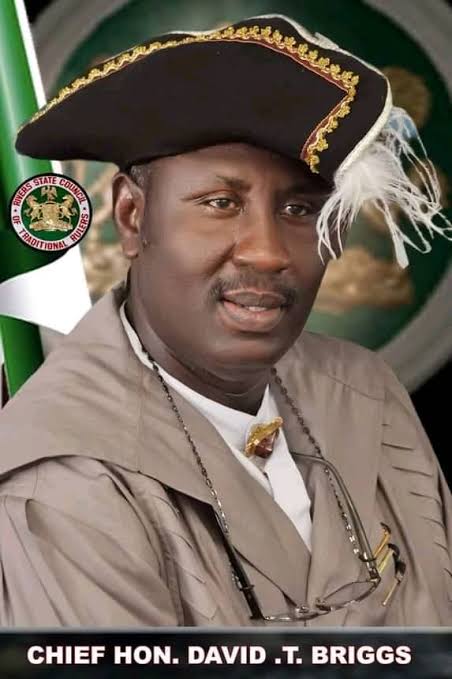
David Theophilus Briggs represents public administration and educational development.
Tonye Patrick Cole represents entrepreneurship, philanthropy and political ambition.
Tonye T.J.T. Princewill represents business, filmmaking, philanthropy, traditional leadership and political participation.
Tammy Wenike Danagogo represents law, ministerial responsibility and state administration.
Albert Korubo Horsfall represents intelligence, national security and traditional aristocracy.
Otelemaba Daniel Amachree represents legislative leadership and parliamentary democracy.
Ojukaye Flag-Amachree represents grassroots politics combined with national energy-security responsibilities.
Ipalibo Harry-Banigo represents medicine, public administration, deputy governorship and legislative politics.
Ipalibo Macdonald Harry represents environmental expertise and public administration.
Isobo Jack represents business and political participation.
Tonye Briggs-Oniyide represents administration, politics, culture and tourism development.
Sule Amachree represents engineering, local government administration and technocratic leadership.
Bestman Kio represents community leadership and grassroots political organisation.
Farah Dagogo represents legislative politics and the emerging generation of governorship aspirants.
The late Rt. Hon. Tonye Harry also deserves particular recognition. He belonged to the generation that carried Kalabari political influence into the Rivers State House of Assembly and served as Speaker.
His defining legacy was legislative leadership and institutional continuity — carrying Kalabari political influence into the democratic legislature.
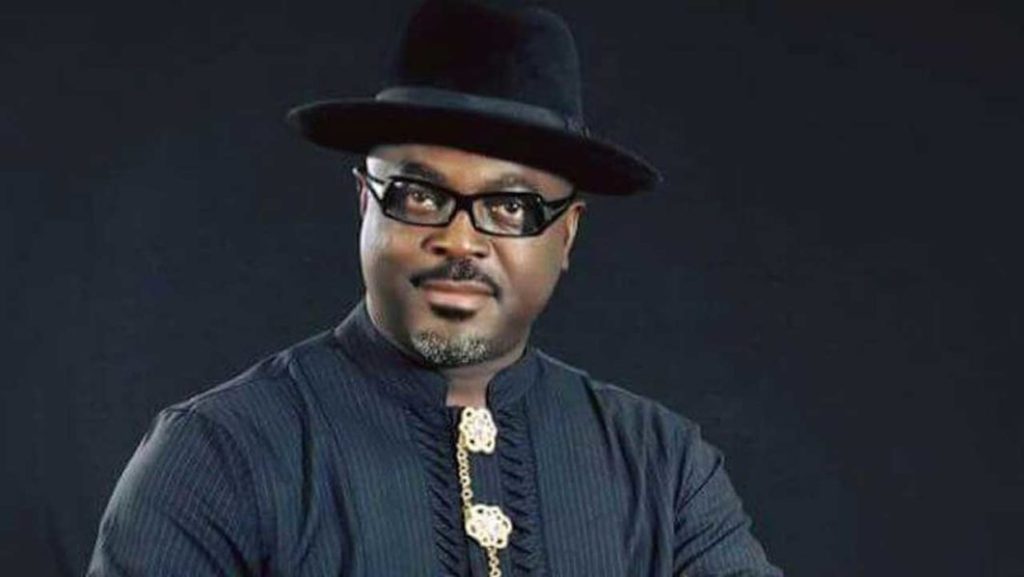
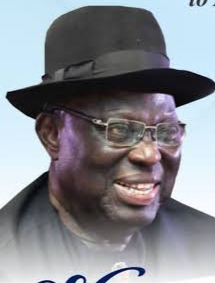
HIGH CHIEF DUMO LULU-BRIGGS — THE NAME, THE LEGACY AND THE 2027 TEST
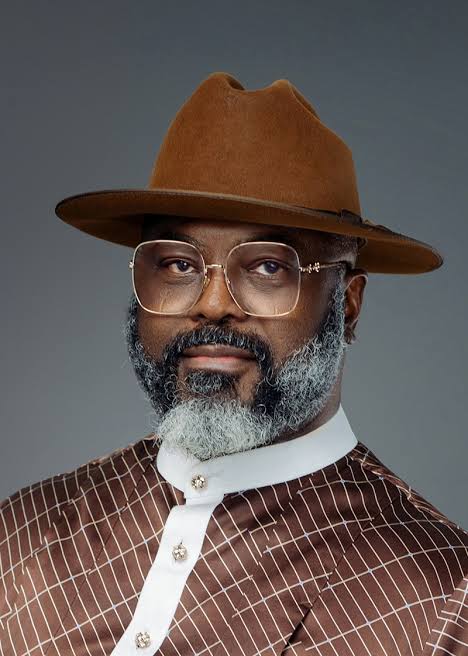
Then there is High Chief Dumo Lulu-Briggs, Iniikeiroari VI of the Kalabari Kingdom and Paramount Head of the Oruwari-Briggs House of Abonnema.
He is the son of the late High Chief O.B. Lulu-Briggs. A lawyer trained at Ahmadu Bello University and the London School of Economics, businessman, traditional leader, philanthropist and politician, Dumo carries one of the most recognisable names in contemporary Kalabari public life.
He has chaired Platform Petroleum and the DLB Group, contested the Rivers governorship on multiple platforms, and continues to promote unity and development in Abonnema and the wider Kalabari Kingdom while sustaining his father’s tradition of philanthropy.
His defining inheritance is therefore twofold: the responsibility of a powerful family legacy and the personal challenge of converting that inheritance into a new political and developmental project.
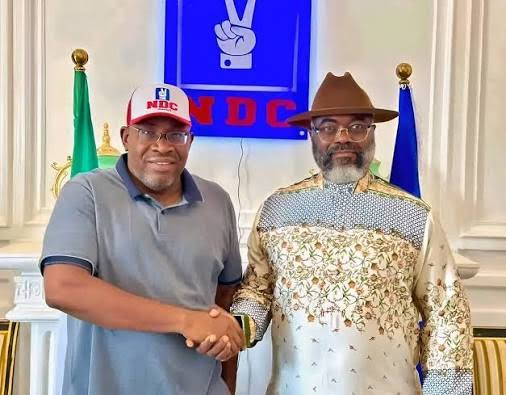
He is the current flagbearer of the Nigerian Democratic Congress (NDC) as its Rivers State Governorship candidate for the 2027 general elections.
The political contest ahead is already generating competing narratives. Supporters of Dumo present him as an indigenous alternative capable of challenging established political structures and mobilising the emotional, social and organisational capital associated with the Lulu-Briggs name. His opponents, meanwhile, will seek to question the depth of his political machinery and his ability to convert name recognition and goodwill into votes across Rivers State.
His chances of victory will depend on several factors: the strength of his grassroots structure; the enduring emotional and organisational capital of the Lulu-Briggs name across Abonnema, Buguma and the wider Kalabari axis; the residual goodwill associated with decades of philanthropy; his ability to build alliances beyond the Kalabari axis; the coherence of his message on jobs, infrastructure, the environment and riverine development; and the capacity of his political organisation to translate support into actual votes across the 23 local government areas.
Victory is by no means automatic.
The 2027 election will ultimately test organisation, message, alliances, credibility and the electorate’s appetite for change.
That is why the Dumo Lulu-Briggs candidacy has significance beyond one individual. It places a Kalabari political legacy directly before the electorate and asks whether the symbolic capital accumulated over generations can be converted into modern political leadership.
2027: THE TEST OF RESILIENCE
The 2027 governorship election will therefore be more than another political contest.
It will be a contest involving competing generations: the generation of inherited political structures, the generation of professional technocrats, the generation of entrepreneurs, the generation of traditional leaders, the generation of elder statesmen who carry institutional memory, the generation of younger politicians seeking to break old political patterns and, finally, the electorate.
That last category is the most important.
Because in a democracy, political parties may nominate, political godfathers may endorse, traditional institutions may advise, businessmen may support and youth organisations may mobilise, but ultimately the people vote.
The contrast between the old giants and today’s political environment is difficult to ignore.
Warmate fought for a state.
G.K.J. Amachree built a legal and diplomatic reputation.
Nabo Graham-Douglas elevated Nigerian jurisprudence.
Wenike Briggs combined journalism, law and politics.
Akobo served as doctor, soldier and petroleum minister.
Iyalla represented Nigeria abroad.
S.K. Dagogo-Jack administered government.
T.O. Graham-Douglas operated at the highest levels of national politics.
Marshall Harry mastered the machinery of democratic politics and later challenged the political establishment he helped create.
O.B. Lulu-Briggs built indigenous enterprise and transformed wealth into philanthropy.
Ombo Isokrari represented engineering and industrial enterprise.
Reynolds Bekinbo Dagogo-Jack represented technocratic expertise.*
Ferdinand Anabraba represents the living bridge between business, the boardroom, political organisation and elder statesmanship.
Henry Odein Ajumogobia elevated Kalabari legal excellence to the highest levels of state justice administration, petroleum policy and international diplomacy.
Dumo Lulu-Briggs now stands before a new generation with the burden and opportunity of carrying one of the most recognisable Kalabari legacies into another political era.
These men were not perfect. They disagreed. They fought political battles. Some were controversial. But they understood something that today’s political traders sometimes forget:
Public office is temporary; reputation is permanent.The question confronting the Kalabari today is therefore not merely who will become governor.
It is what kind of leader a Kalabari son or daughter should aspire to become.A leader who understands history.A leader who can build institutions.
A leader who can attract investment.A leader who can develop the riverine economy.A leader who can protect the environment.
A leader who can create jobs.A leader who can preserve Kalabari culture.A leader who can unite communities.A leader who can stand before Abuja without bowing his head.
A leader who can disagree without becoming an enemy.A leader who can win an election without destroying the society he hopes to govern.
These are the standards the old giants left behind.
The history of Kalabari achievement is not a history of political offices. It is a history of people who built things.They built political movements.They built legal institutions.They built businesses.They built diplomatic careers.They built communities.They built political structures.
They built bridges between the Niger Delta and Nigeria.
Some paid for their convictions with their lives. Marshall Harry’s assassination is a painful reminder that political history can carry a terrible price.
O.B. Lulu-Briggs showed another path — that wealth could be converted into philanthropy and human development.
Ferdinand Anabraba and his generation represent yet another path — the preservation of institutional memory and the transfer of experience from the old political order to the emerging generation.
And Dumo Lulu-Briggs now represents one of the most visible attempts to carry a historic family and Kalabari legacy into a fiercely contested democratic future as he positions himself for the February 2027 Governorship election in Rivers State.
That is the real inheritance.
Not the title.Not the convoy.Not the political appointment.Not the number of photographs with powerful people.
The inheritance is the footprint.
And that is why the names of Warmate, Marshall Harry, G.K.J. Amachree, Nabo Graham-Douglas, Wenike Briggs, Akobo, Iyalla, S.K. Dagogo-Jack, T.O. Graham-Douglas, O.B. Lulu-Briggs, Ombo Isokrari, Reynolds Bekinbo Dagogo-Jack, Ferdinand Anabraba and Henry Odein Ajumogobia continue to matter.
They belonged to different eras.But they shared one defining characteristic:They mattered beyond themselves.
The same challenge now confronts Farah Dagogo, Dumo Lulu-Briggs, Tonye Cole, Tonye Princewill, Tammy Danagogo, Otelemaba Amachree, Ojukaye Flag-Amachree, Ipalibo Harry-Banigo, Tonye Briggs-Oniyide, Sule Amachree, Bestman Kio and the entire new generation.
The question is not whether they can win positions.The question is whether they can justify the positions they win.
Because when the history of this generation is eventually written, nobody will remember merely the number of campaign posters that were printed.
They will remember what was built.They will remember who served.They will remember who stood firm.
They will remember who protected the people.They will remember who enriched the public space — and who merely enriched himself.
That is the real test of 2027.
And perhaps the most important question of all is this:
When the giants of today finally walk away, what footprints will they leave behind?For the Kalabari people, that question is no longer addressed only to the politicians.
It is addressed to the elder statesmen who hold the memory of yesterday; to the businessmen who command the resources of today; to the traditional rulers who guard the identity of the people; to the professionals who possess the knowledge to build tomorrow; to the young politicians who seek the mantle of leadership; and, above all, to the people whose votes will determine who receives the mandate to lead Rivers State.
The giants of yesterday have already written their chapters.The torch has changed hands.The river is still flowing.The drums of politics are already sounding.
And somewhere between the memory of the giants who built Rivers State and the ambitions of those seeking to govern it in 2027 lies the ultimate test of Kalabari resilience: whether the next generation will merely inherit the names of great men — or become worthy of adding its own names to the history of greatness.
Emeka Amaefula
+234 (0) 811 181 3069