

IHO-DIMEZE 2026: MY MISSION IS TO REVIVE IGBO CULTURAL HERITAGE— EZE AMAKU
From Everest Ezihe
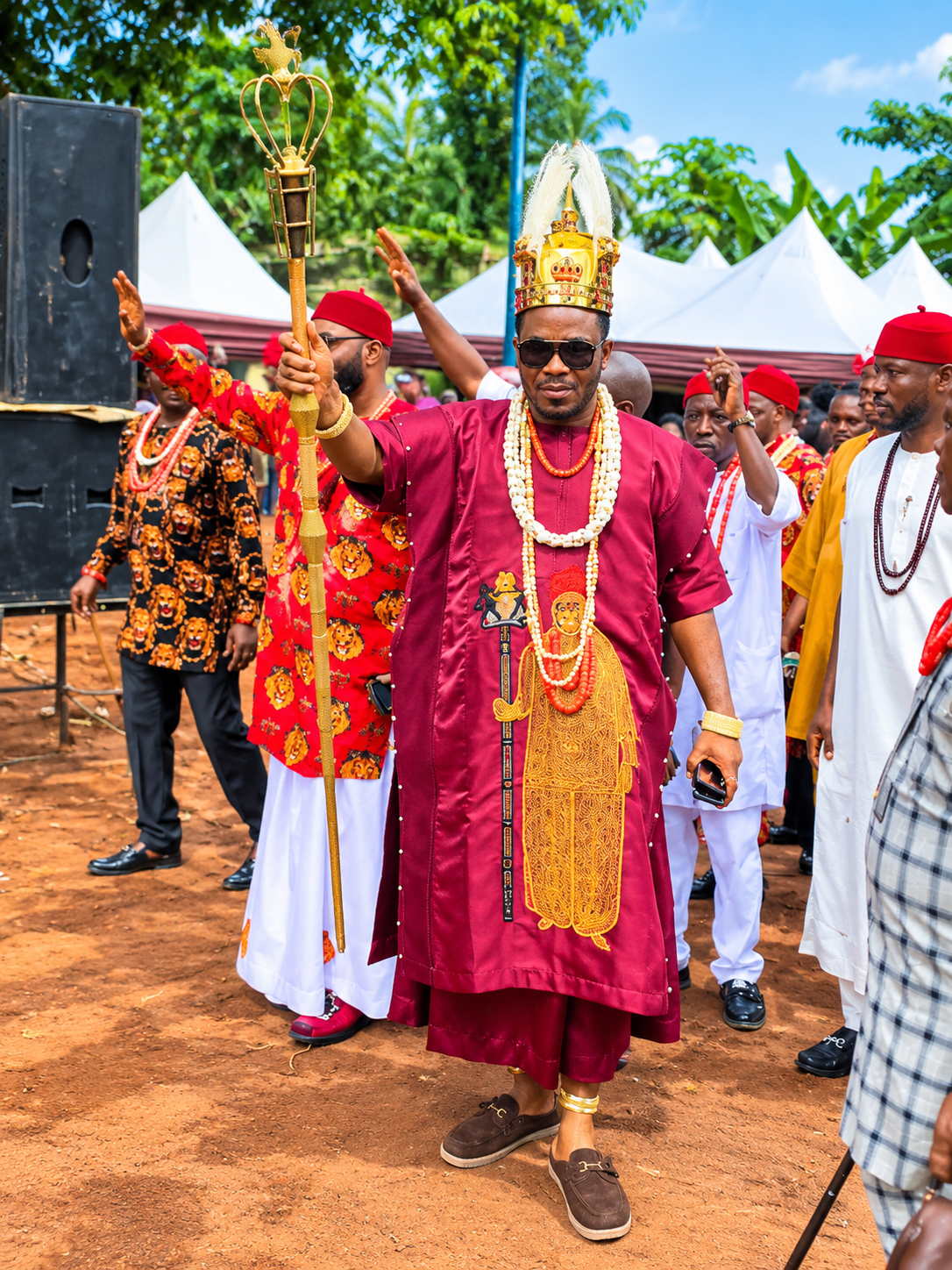
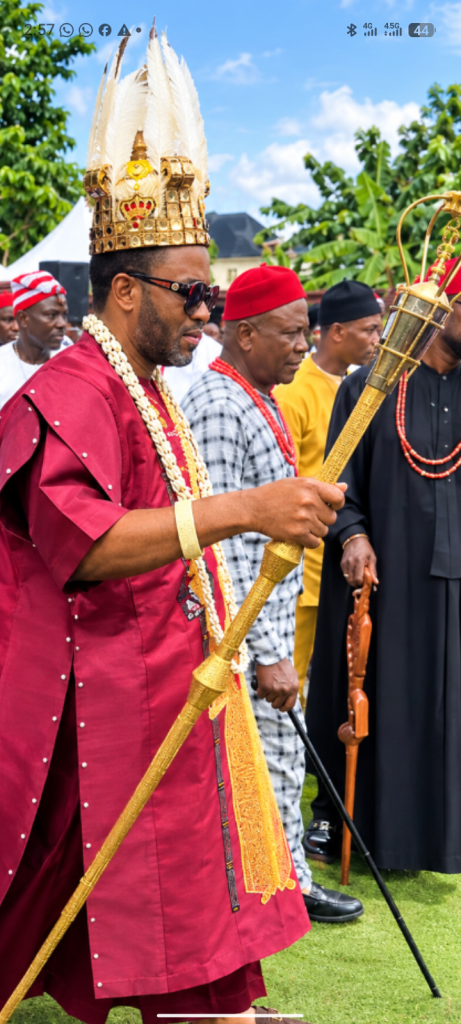
The ancient community of Iho Dimeze in Ikeduru Local Government Area of Imo State came alive last Friday with cultural pomp and pageantry as residents, under the traditional leadership of HRH Eze (Dr.) Martin Chieze Amaku JP, Dimeze II of Iho-Dimeze Ancient Kingdom and Nwammirienweiro I of Ikeduru, celebrated the 2026 Iriji cultural festival.
The annual fiesta, chaired by High Chief Chyma Anthony PhD popularly known as Odiuko Na Mba, drew prominent personalities from Imo State and the wider South-East. Impressive motorcades, convoys and a strong security presence turned the occasion into a carnival-like celebration.
Masquerades and cultural dance troupes moved through the community in solidarity, accompanied by traditional songs, indigenous flutists, drummers and wooden gongs. The performances electrified residents and visitors alike, drawing enthusiastic participation from youths, men and women. The displays climaxed at the popular Eke Iho Market Square, also known as Eke-ije-dibia, where the villages that make up the autonomous community assembled with their traditional masquerades. Adorned in colourful indigenous costumes, the masquerades thrilled spectators with spectacular acrobatic displays and esoteric songs.
Once all the villages had gathered, the head of the community’s masquerade cults signalled the procession to the traditional ruler’s golden palace with seven cannon shots. The march attracted a massive crowd that observers described as one of the largest in the community’s history.
The expansive compound of Eze Amaku’s ancestral home, venue of the celebration, was beautifully decorated. The royal father sat majestically on his golden throne, flanked by eminent traditional rulers from Ikeduru and the chairman of the occasion, as he issued traditional directives.
In his opening remarks, High Chief Chyma Anthony commended Eze Amaku for his commitment to the preservation and promotion of Igbo cultural heritage. He urged Ndigbo to take pride in their cultural identity and praised the people of Iho-Dimeze for demonstrating unity of purpose, solidarity and brotherly love.
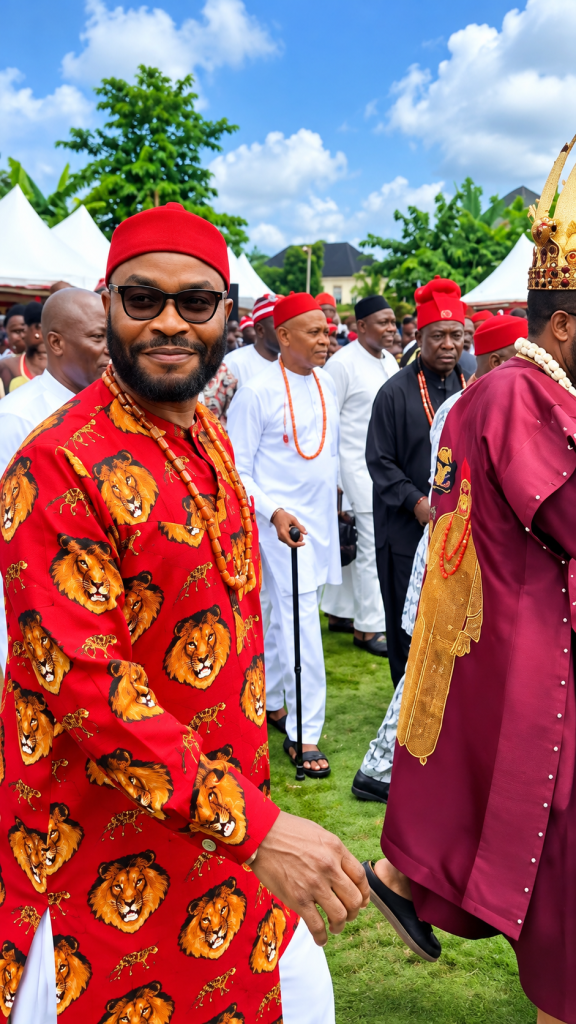
Speaking from his throne, Eze Amaku, custodian of Iho-Dimeze’s cultural and traditional heritage, expressed gratitude to the distinguished personalities who honoured his invitation. He particularly acknowledged High Chief Chyma Anthony, traditional rulers across Imo State, members of the Ikeduru Council of Traditional Rulers and Community Policing, Prince Charles Amadi, High Chief Osmond Ukanacho and High Chief Everest Ezihe (Akaekpuchionwa 1 Na Umueze Abazu Ogwa Autonomous Community). He also noted the presence of Mazi Mathew Chima Amadi, the Action Peoples Party candidate for Owerri Senatorial Zone in the 2027 general elections, who was represented by Chief Henry Onwukwe, popularly known as Apiti, among other dignitaries.
The monarch expressed strong support for Imo State Governor Hope Uzodimma and President Bola Ahmed Tinubu, describing them as patriotic and visionary leaders who deserve the commendation, support and cooperation of Nigerians.
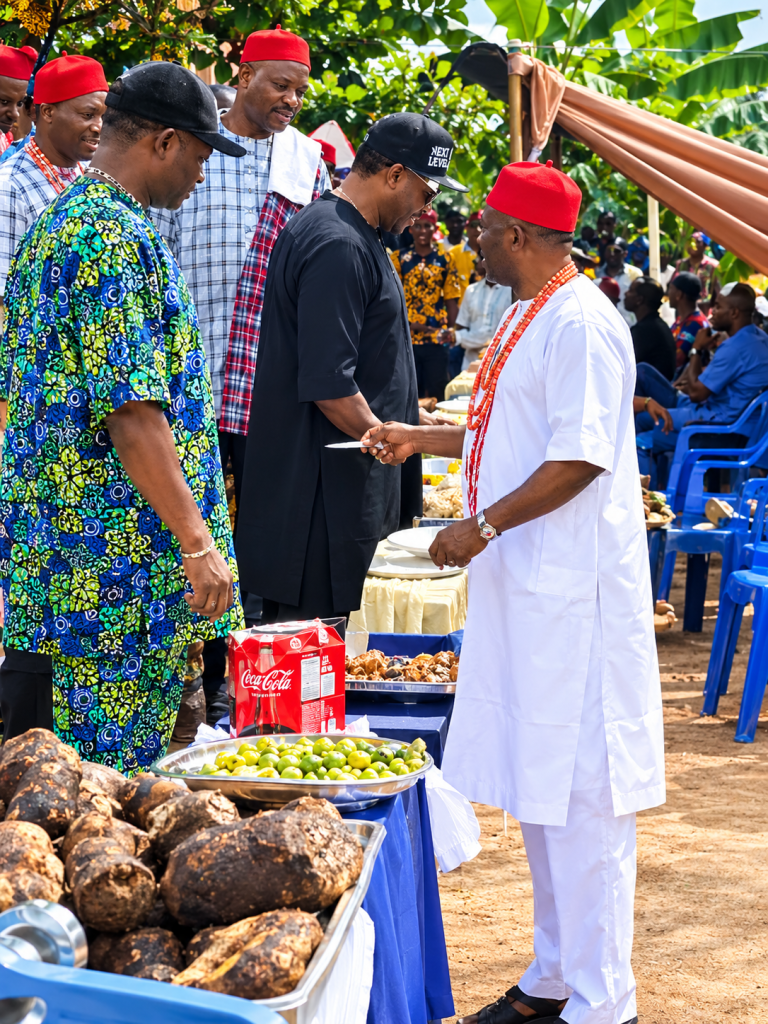
The youthful traditional ruler, who is also a prophet of the Most High God, described yam as a special food created by God and bestowed on the Igbo people as a unique and blessed crop. He noted that its absence from the biblical accounts of Genesis to Revelation, in his interpretation, further distinguished it as a crop whose cultural importance is particularly understood and celebrated by the Igbo. The significance of yam in Igbo land, he said, makes its cultivation a cultural responsibility for every Igbo man, irrespective of social status.
“The yam we are eating today was cultivated by me on my farm. I do not use yam bought from the market to celebrate my community’s Iriji festival,” Eze Amaku declared. “It is a traditional and cultural sacrilege for a community to celebrate its rich cultural heritage with yam purchased from the market. Any traditional ruler, individual or group that does so is making a mockery of, and bastardising, this divinely cherished ancestral heritage. Yam is the king of all crops, and tradition demands that every Igbo man should cultivate yam and own a yam barn.”
He reaffirmed his commitment to reviving and restoring Igbo cultural heritage and cautioned against the practice of making monetary donations or giving cash appreciations during the ceremonial cutting and eating of yam. Such practices, he maintained, are inconsistent with the traditions handed down by the ancestors and should be rejected. The royal father appealed to the public not to misconstrue his position, stressing that his views are rooted in a firm commitment to preserving Igbo traditions and cultural values.
Eze Amaku further disclosed that there are seven species of yam in Igbo land, including ji agwu, which ancestors used in traditional rites. He described both yam and cocoyam as nutritious foods with medicinal value, created by God for human consumption. Demonstrating his commitment to agricultural development, he revealed that during the last planting season he freely distributed more than 5,000 yam seedlings and 400 bags of fertiliser to interested members of his community and visitors, in addition to hybrid cassava stems.
Prince Charles Amadi, Operational Leader of the Owerri Senatorial Zone United Leaders, who represented his son, Hon. Akarachi Amadi, commended the people of Iho-Dimeze- for their commitment to promoting and sustaining one of the Igbo people’s cherished cultural heritages. Describing Eze Amaku as a digital traditional ruler, Amadi pledged total support for the monarch as both a father and political leader. He called on the people to embrace unity of purpose and brotherly love, and urged political stakeholders in Imo State to make the necessary sacrifices for a smooth transition of power in 2027 by supporting Governor Hope Uzodimma’s Shared Prosperity administration. He expressed appreciation for the governor’s reported promise to support the emergence of a successor of Owerri Senatorial Zone extraction and appealed to the people of the zone to continue supporting the administration.
Austine Njoku Esq, President-General of Iho-Dimeze Autonomous Community, described the festival as a unique occasion that reinforced the community’s commitment to brotherly love, peace and unity. The celebration, he said, offered an opportunity to thank God for a bountiful harvest, which he partly attributed to Eze Amaku’s agricultural empowerment initiatives that have encouraged residents to embrace farming.
“We are equally appreciating God for giving us such a monarch. It is painful that Iho-Dimeze spent over 16 years without a structured President-General and traditional ruler because of unhealthy and unnecessary rivalry,” Njoku stated. “Our traditional ruler was given the staff of office two years ago, while in March 2026 I emerged as the elected President-General of the autonomous community. You can imagine what the community lost due to division, wranglings and blackmailing. The truth is that during those 16 years of stagnation there were opposing camps. We are appealing to those who are still on the other side to return and become part of the developmental and transformational efforts of the present community leadership. From what happened today, it appears that our clarion call has received a positive response.”
He expressed optimism that the festival would strengthen reconciliation and encourage greater participation in the community’s development.
The celebration also featured a competition to recognise the community’s best farmer. Five contestants participated. At the end of the contest, Mr Mazi Augustine Onyekwuruha emerged overall winner. In recognition of his achievement, the traditional ruler awarded him ₦200,000 and conferred on him the title of Ezeji IHO-DIMEZE Autonomous Community 2026.
The highlight of the festival was the traditional cutting and eating of yam by Eze Amaku and members of his cabinet, symbolising gratitude to God for the harvest. The event also featured fundraising for the construction of the traditional ruler’s proposed magnificent golden palace, further underscoring the community’s commitment to preserving its cultural heritage and advancing development.