



By Emeka Amaefula
SUPREME COURT UPHOLDS MUSLIM STUDENTS’ RIGHT TO WORSHIP AT RIVERS STATE UNIVERSITY.
In a landmark judgment delivered on February 10, 2026, the Supreme Court of Nigeria unanimously dismissed the appeal by the authorities of Rivers State University (formerly Rivers State University of Science and Technology), conclusively affirming the constitutional right of Muslim students to freely observe their religious obligations and to be provided with a designated place of worship on the Nkpolu Oroworukwo campus.
The case, titled The Vice Chancellor, Rivers State University of Science and Technology & Ors Vs Umaru Wazuru & 98 Ors, brought a definitive end to a 14-year dispute that began in 2012. Muslim students, led by Umaru Wazuru and 98 others, alleged discriminatory denial of congregational prayers and worship structures, despite Christian centres operating on campus. They filed Suit No. FHC/PH/CS/150/2012 at the Federal High Court in Port Harcourt, citing violations of Section 38 of the 1999 Constitution (as amended), which guarantees freedom of thought, conscience, and religion.

On February 19, 2013, the Federal High Court ruled in the students’ favour, declaring the restrictions unconstitutional and ordering the university to allocate suitable space for Muslim worship.
The university’s appeal (CA/PH/614/2015) was unanimously dismissed by the Court of Appeal (Port Harcourt Division) on March 31, 2017, which affirmed the trial court’s decision. The matter escalated to the Supreme Court (SC/055/2018), though filed out of time.
As the apex court heard the case on February 10, 2026, it recorded: “Court unanimously dismissed the appeal of the University.” This final ruling made the concurrent findings of the lower courts binding and enforceable.
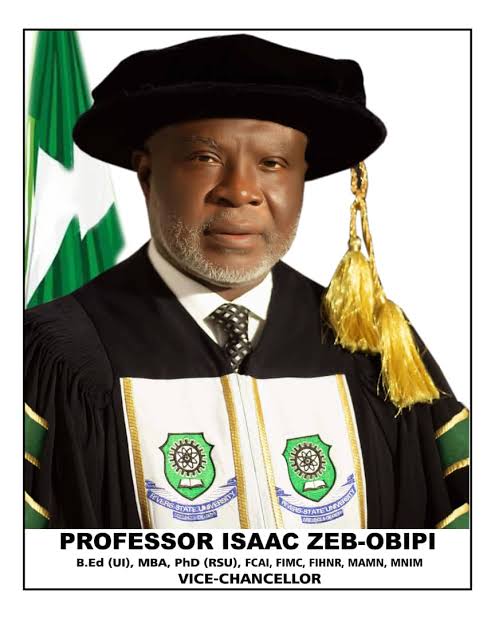
The judgment summary explicitly states: “By operation of law, the judgments of the lower courts, recognizing the students’ rights to worship within the campus of the Rivers State University and be allocated a befitting place to carry out their religious obligation just like their Christian counterpart remain binding.”
The decision reinforces core principles of Nigerian constitutional law: the supremacy of the Constitution under Section 1(1), where no institutional policy can override fundamental rights; equality and non-discrimination under Sections 38 and 42, requiring public institutions to treat religious groups with neutrality and fairness; and deference to concurrent findings of fact unless perverse.
The ruling’s finality is clear and enforceable: decisions of the Supreme Court are binding on all authorities and persons, with non-compliance risking contempt proceedings, including potential sanctions or imprisonment.
This outcome underscores that universities, as public institutions in Nigeria’s diverse society, must exemplify constitutional inclusivity. Religious freedom and equal protection extend fully to campus life—no authority stands above the Constitution.
Fourteen years on, the judgment is more than a win for the students; it affirms that in a constitutional democracy, guaranteed rights cannot be diminished for administrative convenience.
———-Emeka Amaefula——-+234(0)8111813069—–