

By Emeka Amaefula
“ENOUGH IS ENOUGH”: NILOWV LEADS POWERFUL FGM AWARENESS DRIVE AT UPWA UNIPORT SECONDARY SCHOOL.
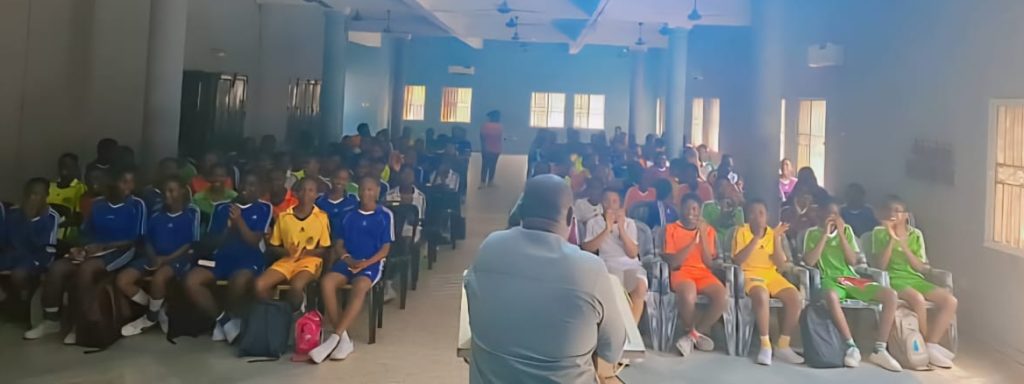
In a powerful display of advocacy and empowerment, the Rivers State chapter of the League of Women Voters of Nigeria (NILOWV) organized an impactful visit to the University of Port Harcourt Women Association (UPWA) International Secondary School on Friday, February 6, 2026. The event commemorated the International Day of Zero Tolerance for Female Genital Mutilation (FGM), a global observance held annually on February 6 to raise awareness and intensify efforts to eradicate this harmful practice.
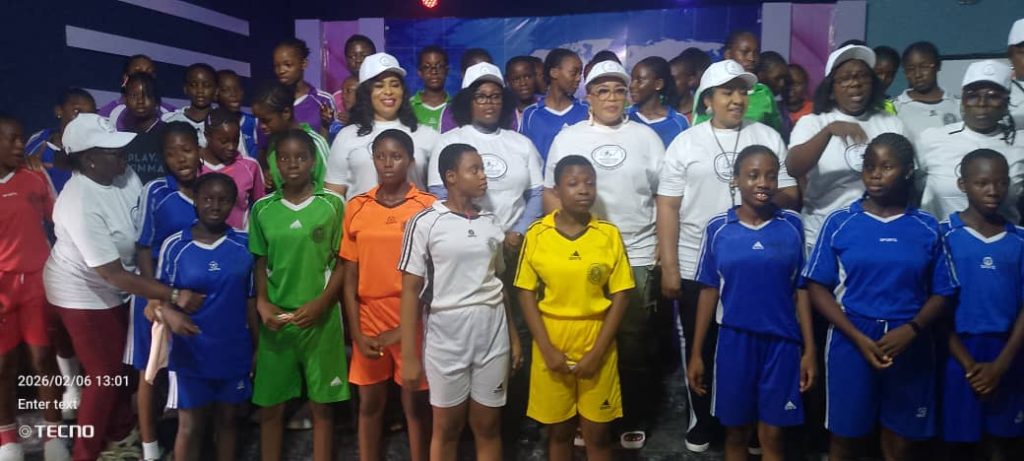
The NILOWV team, made up of dedicated executives and members, engaged directly with the female students, promoting education, open dialogue, and concrete action against the devastating effects of FGM on girls and women worldwide.
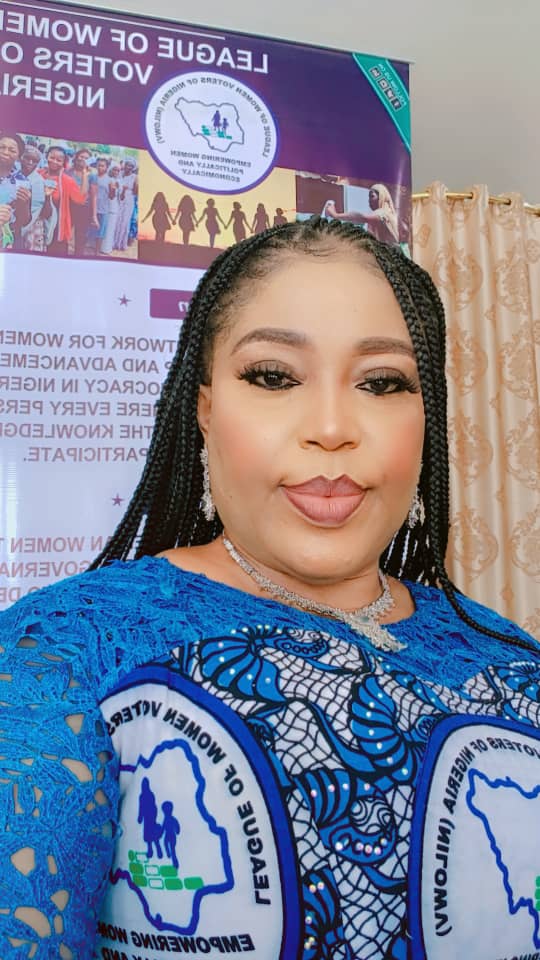
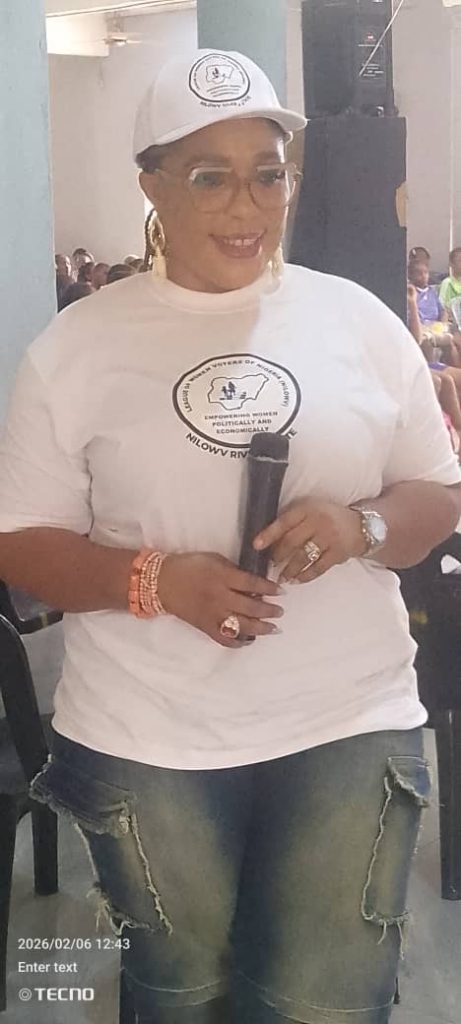
Leading the delegation was the dynamic Rivers State chapter chairperson, Ambassador (Dr.) Mrs. Ruth Davies, whose passion for women’s rights set an inspiring tone for the day. She was joined by key executive members, including Barrister Ibitamuno Abusi (Secretary), Mrs. Dakuro Charles-Brown (Director of Protocols), Mrs. Furo Bala Johnie (Welfare Director), Dr. (Mrs.) Juliet Akugbo (Director of Programme), Dr. (Mrs.) Olive Obioma-Onyema (Director of Education), and Mr. Adolphus Wonder (External Director of Media). This formidable group exemplified NILOWV’s unwavering commitment to eliminating gender-based violence through community outreach and informed advocacy.
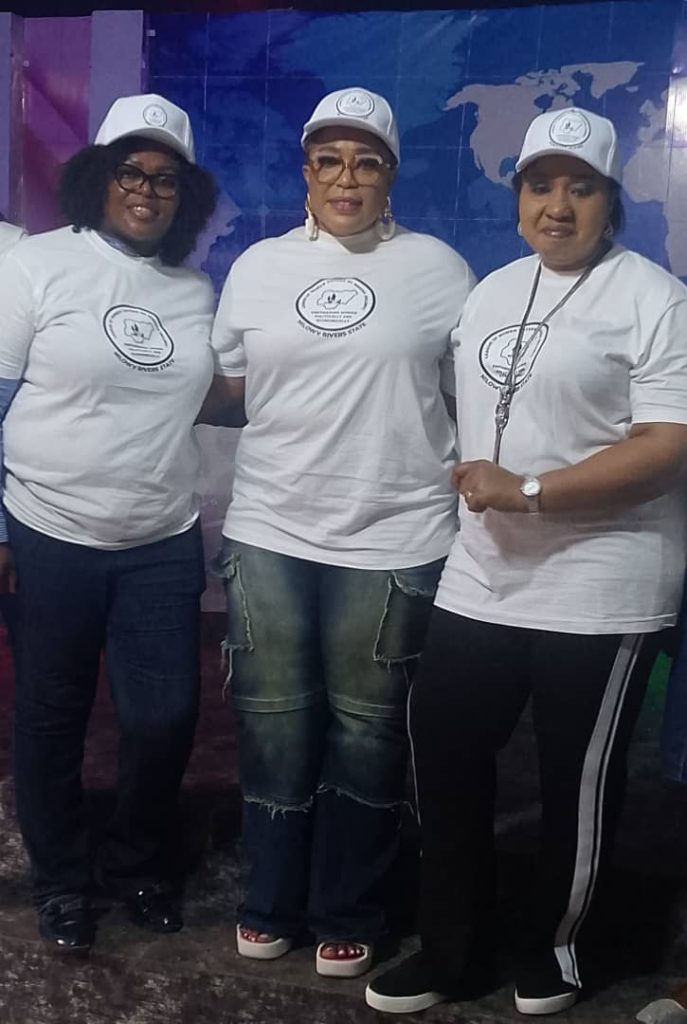
The program began with an inspiring welcome address from Ambassador Dr. Ruth Davies on behalf of the NILOWV Rivers State chapter. “I warmly welcome you all to this important gathering to commemorate the International Day of Zero Tolerance for Female Genital Mutilation, observed globally every 6th of February,” she began, her words carrying both urgency and hope. She stressed that the day is far more than a date on the calendar—it is a profound call to conscience, uniting the world in declaring “Enough is enough” to a practice that violates the rights, dignity, health, and future of girls and women. Dr. Davies firmly asserted that FGM is neither a cultural necessity, a religious obligation, nor a legitimate rite of passage; rather, it is a form of violence that inflicts lifelong physical, emotional, and psychological scars. “Zero tolerance means no excuses, no justifications, and no silence,” she declared.
She went on to outline the path to change, noting that it is not only possible but achievable through collective effort. Communities must choose protection over pain, education over ignorance, and compassion over harmful traditions. Ending FGM requires sustained commitment from governments, traditional institutions, civil society, parents, teachers, religious leaders, and—crucially—the youth. Expressing special delight at the presence of the UPWA students, she reminded them: “The future belongs to you. Your voices, your courage, and your choices will shape a world where every girl can grow up safe, healthy, and empowered.” As the session moved into deeper discussions, presentations, and reflections, Dr. Davies urged everyone to listen with open hearts, speak with courage, and commit to action—transitioning from awareness to accountability, and from promises to real protection. “Together, we can end Female Genital Mutilation not someday, but now,” she concluded, sparking determination among the attendees.
The heart of the event followed with a comprehensive lead lecture by Dr. Olive Obioma-Onyema, a respected lecturer in the University of Port Harcourt’s Faculty of Education, Department of Educational Psychology, Guidance, and Counselling. Drawing on her expertise, she explored the vital importance of girl-child and adolescent development, with particular emphasis on the female sexual and reproductive organs. She vividly illustrated their essential roles in health, well-being, and future life stages, encouraging the students to value these natural functions without interference.
Dr. Obioma-Onyema then addressed how entrenched cultural and traditional beliefs have sustained FGM, often enforced through community institutions. Quoting her prepared remarks, she stated: “The awareness is to stop female genital mutilation—FGM. We are here today to celebrate with the children of UPWA Secondary School at the University of Port Harcourt, Rivers State. Some of the reasons it’s practiced by our olden days’ fathers stem from ignorance, which they viewed as traditional pride—probably passing from one stage of the girl-child to another without taking cognizance of the consequences in time to come, because they have to touch the female genital organs. They do it so that they can control promiscuity, according to them, among the girl-child. But they forgot that in time to come, when the girl-child is legally married, she needs it for sexual satisfaction.”

To drive home the severe consequences, the group screened a poignant short film titled “ALERO.” Dr. Obioma-Onyema highlighted the film’s depiction of immediate dangers, such as intense physical pain during and after the procedure, as well as long-term effects including profound psychological trauma. Survivors often experience low self-esteem that impairs academic performance, social withdrawal from school activities, isolation, diminished confidence, and barriers to full participation in education and community life—perpetuating cycles of inequality.
Empowering the students, she urged them to become frontline advocates against FGM, starting conversations with parents at home and extending their efforts to wider communities to spread knowledge and challenge harmful norms.
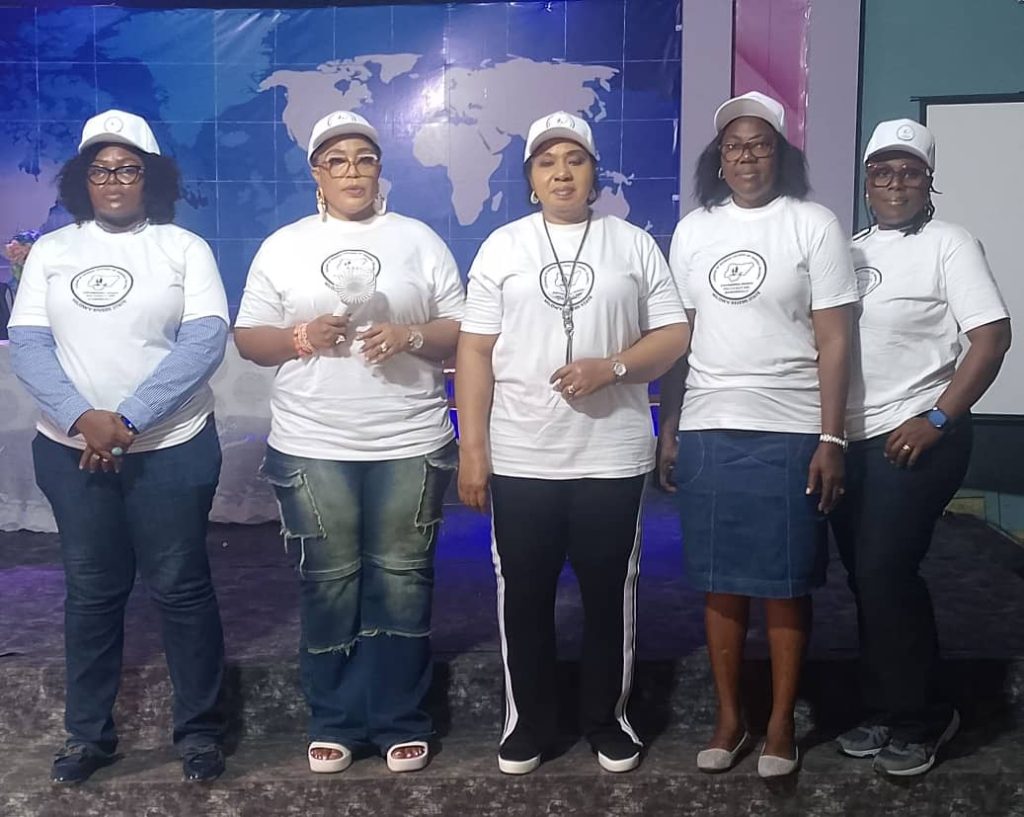
Reinforcing this call, Barrister Ibitamuno Abusi, the Secretary and legal advisor, offered practical guidance. She reassured the girls not to fear retaliation or coercion in their advocacy, explaining that support is available through branches of the Federation of International Women Lawyers (FIDA). “Report any coercive force applied on any girl-child in your various communities to FIDA,” she emphasized, highlighting the organization’s vital role in protecting rights and providing legal aid.
The session peaked with an engaging question-and-answer segment, where UPWA students eagerly posed thoughtful questions—from personal encounters with cultural pressures to practical strategies for community change. The NILOWV team responded clearly and informatively, clarifying doubts and deepening understanding, leaving the students equipped and motivated to lead the anti-FGM movement.
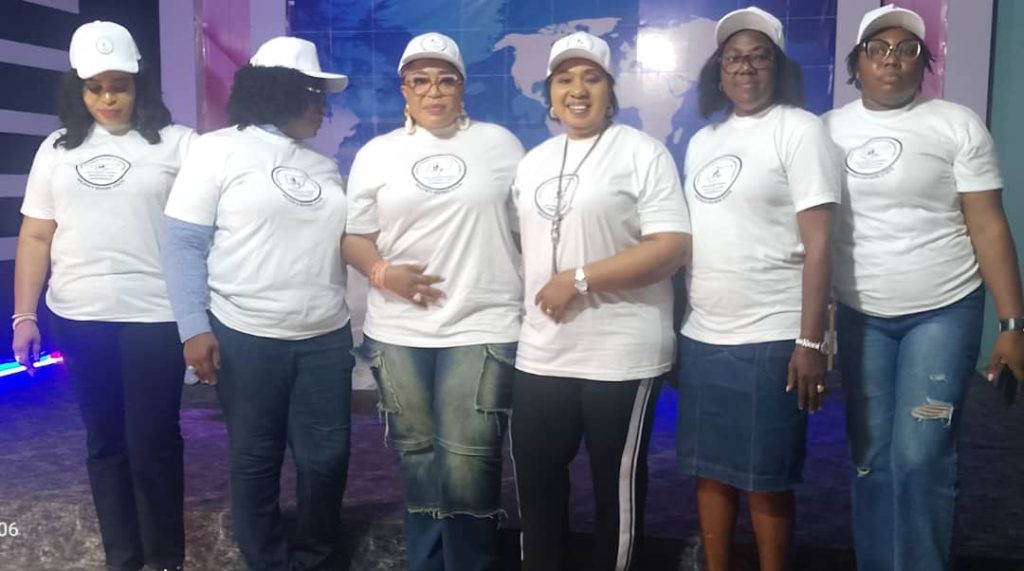
The advocacy visit concluded on a high note, with the female students expressing profound satisfaction and gratitude. The NILOWV team’s efforts had turned an ordinary school day into a powerful catalyst for change, sowing seeds of awareness for a safer, more equitable future for girls in Nigeria and beyond. Participants enjoyed light refreshments of beverages and snacks, evoking the familiar movie-screening experience that stirred fond memories among the young female students. In a unifying finale, everyone joined in echoing the NILOWV slogan in unison: “We can, yes we can” eradicate Female Genital Mutilation (FGM) in Rivers State, Nigeria.
Through education, legal empowerment, and communal dialogue, such initiatives prove that ending FGM is within reach—one informed voice at a time.
—Emeka Amaefula, +234(0)8111813069