

IHO-DIMEZE’S MASQUERADES, MYTHS AND MYSTERY: THE ENDURING LEGACY OF ISU ACHARA FESTIVAL
By Emeka Amaefula
The annual Isu Achara Festival in Iho-Dimeze unfolds as a rich tapestry of history, myth, spirituality and communal life, drawing indigenes and visitors alike into one of the most enduring cultural celebrations of the people. Celebrated every April—regarded in the Igbo traditional calendar as the first month of the year—the festival stands as an ancient heritage that predates the emergence of masquerades, tracing its origin to the era when Ogwugwu, the goddess of Achara, demanded from the people of Okpuala and Amaruru a form of delight (Nhe Unara Ahu) to gladden her heart.
In the days leading up to the festival, sacred rites quietly set the tone. Rituals are first performed in honour of Ogwugwu, after which the revered Ozo-titled masquerade, Ikezuagu of Okpuala, emerges to carry out spiritual observances at Afo Amadioha. The formal announcement of the festival itself is a ceremony steeped in symbolism, as the people of Okpuala present kolanuts and kegs of palm wine at Odu-Okpuala on Nkwo market day at Eke Iho market square, notifying Amaruru and the entire Iho community that the season has begun. With this, the eerie night masquerade cry takes over the land, restricting movement and marking the transition into a sacred period.
Afor Okpuala day heralds the official commencement of the Achara Festival, as masquerades gather to pay homage at the shrine of Amadioha beside Ikpo Nmawu Okpuala. Soon after comes the much-anticipated Isu Achara day, when the Chief Priest of Ogwugwu performs solemn rituals at the goddess’s shrine located at Amakpaka, anchoring the spiritual essence of the celebration.
From there, attention shifts to the vast sacred grassland known as Ogbo-Achara—“the home of grasses.” Spanning over 100 hectares and surrounded by thick forest, the land becomes the stage for one of the most dramatic moments of the festival. Nwaika, the Chief Priest of Ogwugwu, proceeds into this expanse and, between noon and 1 pm—though the time may vary—sets the dry grasses ablaze. What begins as a singular ritual act quickly transforms into a communal experience, as people scattered across the field ignite the grasses wherever they are, and flames surge across the land in unison.
As the fire rages, the hidden life of the forest is forced into the open. Antelopes leap through the burning paths, grass cutters (Nchii) dash for safety, bush rabbits scatter, while squirrels, snakes, bush fowls (Okwa) and other creatures emerge in a dramatic struggle for survival. In rare and thrilling moments, some individuals who manage to catch these animals often find themselves unable to keep them, sometimes returning home with only a head, a fragment, or nothing at all, as the chaotic scramble unfolds.
There are also whispers of mystery tied to Ogbo-Achara. A long-held belief speaks of a hidden stream at the centre of the grassland, though none has ever seen it. Another enduring myth tells that Ogbo-Achara was once destined to become a great stream. According to the tale, the goddess Ogwugwu demanded a boneless creature for the creation of the stream. The people of Okpuala and Amaruru, misunderstanding the request, offered a newborn child instead. Angered by this grave error, the goddess withdrew the blessing and moved the stream to Ngugo, where the people correctly understood that the boneless creature referred to a pupa (Nhia). Thus, Iho-Dimeze, by myth, lost what would have been a great river.
By mid-afternoon, as the flames subside between 3 pm and 4 pm, the masquerades re-emerge, moving to the shrine of Ogwugwu near Ogbo-Achara to pay homage before dispersing to different locations. The Amaruru masquerades proceed to Ama Nwaedo at Ndiokwu playground, now known as Umuagwu playground, continuing their performances.
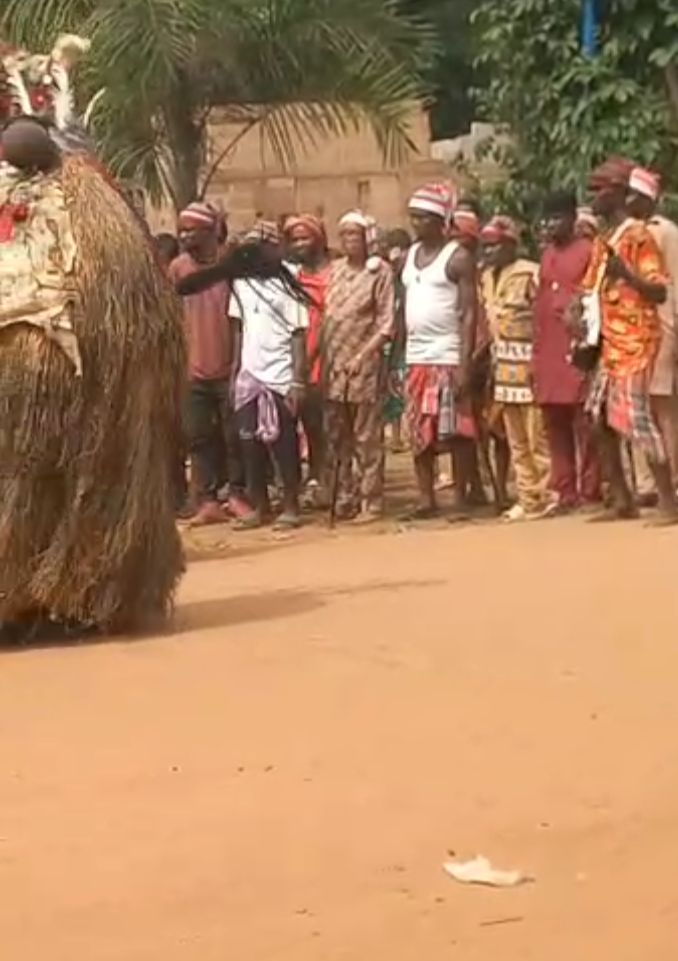
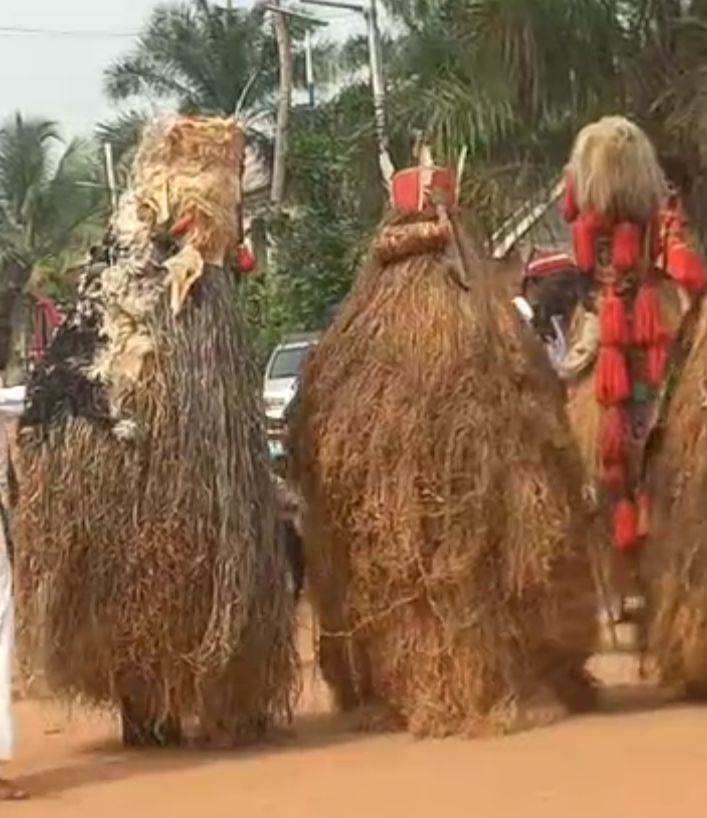
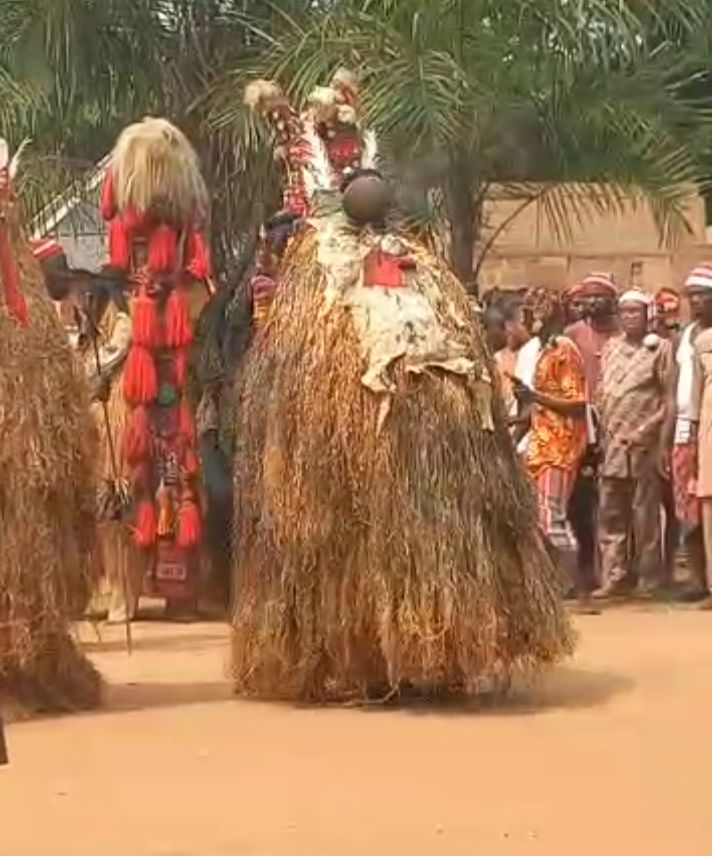
The festival continues into Eke Iho market day, widely regarded as one of the most colourful and exciting moments of the celebration. On this day, masquerades from Okpuala and Amaruru converge at the market square junction (ukwu-obu), proceeding directly to the Obu tree at the centre to pay homage to the gods of the land. The Obu tree stands as a powerful symbol of unity in Iho, drawing thousands of spectators from across the state. Among the many masquerades is the admired female-looking figure from Okpuala known as Nwa-Erere or Agbo-Mmanwu, whose elegance captivates the crowd.
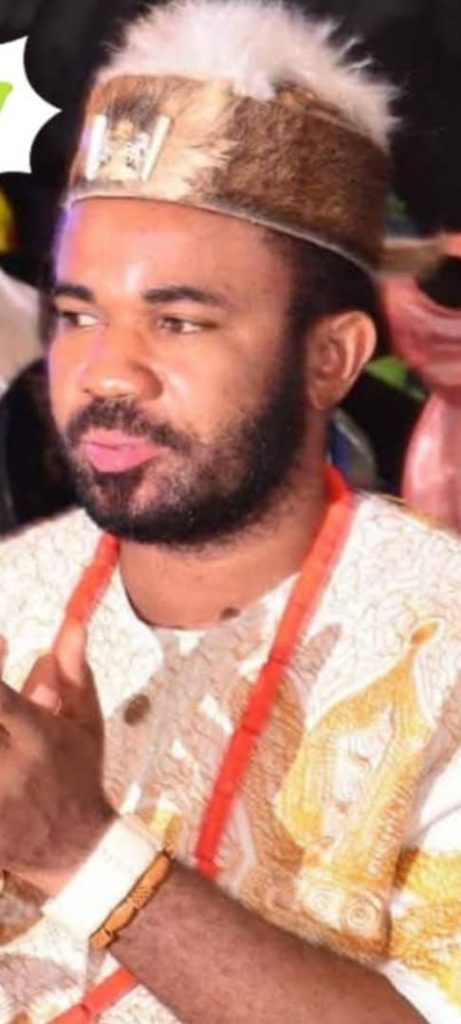
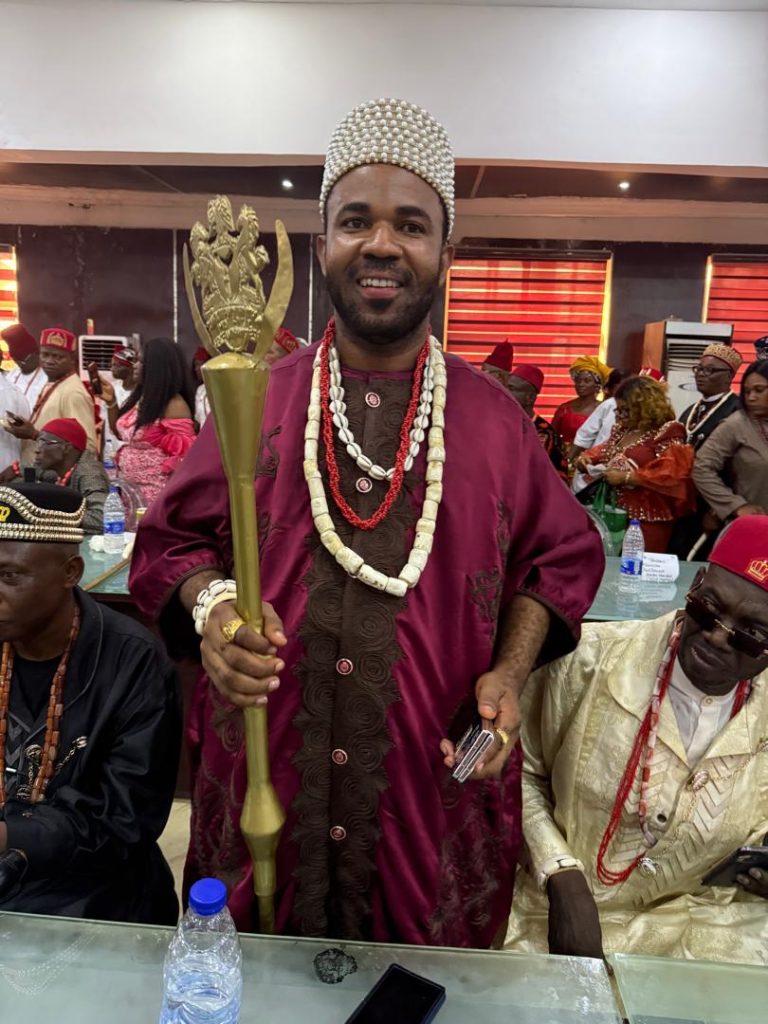
Five days after Eke Iho comes Orie Iho, the grand finale of the masquerade festival. On this day, masquerades from Amaruru, Okpuala, Umuokoro, Amakpaka and Umuakpim converge at Amaeke village, where Orie Iho market is situated. Here, they pay homage to Iyafu Iho, the principal deity of the land, before proceeding to Nkwo Iho at Umuawom to honour Ezeala Iho, another revered deity. The homage extends further to the Chief Priest of Iyafu Iho, Lemchi Durunna, at Umuechem Amaeke, and to the traditional ruler of Iho-Dimeze—now at the palace of Dimeze II, HRH Eze Martins Amaku. The Okpuala masquerades also honour notable individuals including Chief Ben Udeh, the late Chief Friday Duruaku, Mr. Uzoma Osuji and Chief Samuel Akamegwo, while Amaruru masquerades visit invited hosts as far as Umuduruorie and Ogwa.
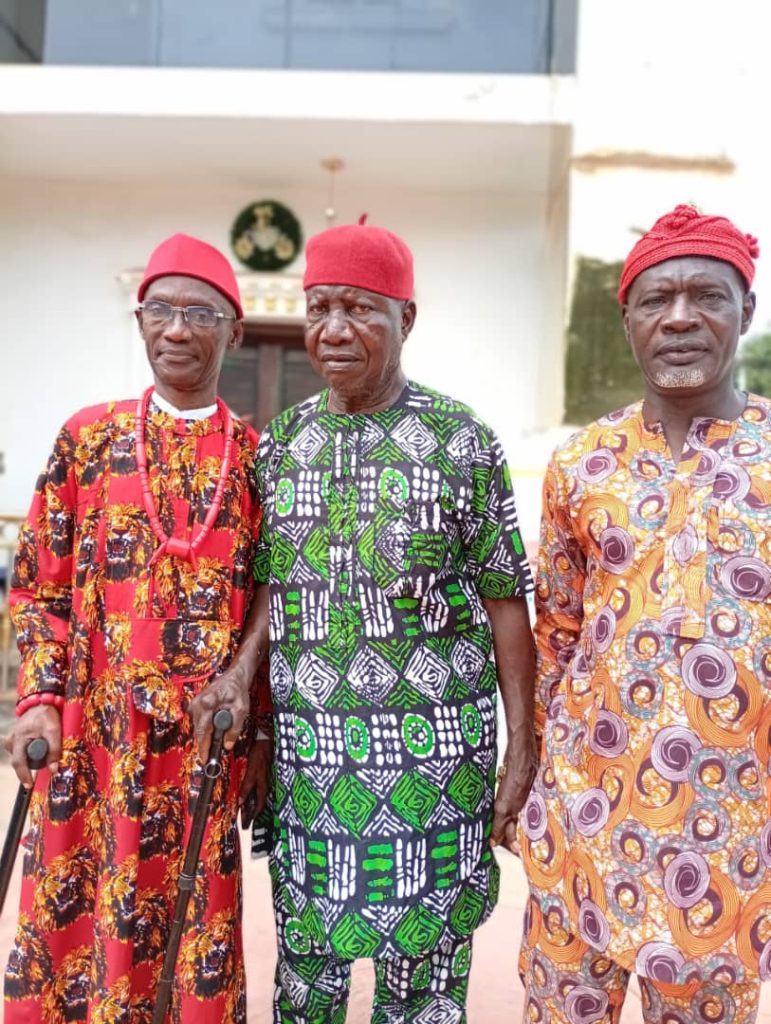
Behind the spectacle are the custodians of the tradition. The Umuodukwu, comprising youths and elders, direct and drum for the masquerades, dressed in traditional attire such as Akwa George, Okpu Nwagoro and Isi-Agu. Alongside them are the Ada Ndi Mmanwu, mainly maidens, who cheer and celebrate the masquerades, especially favourites like Agbo-Mmanwu, Nwa-Erere and Akakpu. Membership into the masquerade cult is sacred and demanding, requiring initiation rites and costly items. Only initiates can enter the masquerade shrine (Ekwuru), while ordinary spectators, known as Osu-Obodo, remain outside the sacred circle. The masquerades themselves speak in riddles understood only by initiates, preserving the secrecy and mystique of the tradition.
Leadership within the masquerade institutions is also structured, with Chief Geofrey Ofonye who bears traditional chieftaincy title of Onaputara-ag-nma-1 of Iho Dimeze serving as chairman for Okpuala, Mr. Onyekachi Nwaigbo for Amaruru, and Elder Uzoma Osuji for Umuokoro, ensuring order and continuity within the ancient system.

Through all its rituals, myths, displays and communal participation, the Isu Achara Festival remains a living heritage—binding the people of Iho-Dimeze to their past, their beliefs, and their enduring cultural identity.
———–Emeka Amaefula —–+234(0)8111813069–