


By Emeka Amaefula
MARRIAGE, BURDEN, AND A MYSTERIOUS DEATH: THE STORY OF DANIEL IGBEBOR
A life marked by prolonged illness, a family stretched beyond limits, and a death shrouded in unanswered questions—Mr. Daniel Onun Igbebor’s story is a sobering reminder of the fragile intersection between marriage, family, and societal support systems in Nigeria.
Ugep, Cross River State — A tragic and deeply troubling story has emerged from Idiba Road in Ugep, Yakurr Local Government Area of Cross River State, raising serious questions about family responsibility, prolonged illness, and the circumstances surrounding a mysterious death.
Mr. Daniel Onun Igbebor, born in Ibadan, Oyo State, had reportedly battled mental illness for six years and six months—a condition that rendered him unable to work and placed immense financial and emotional strain on his immediate family.
Throughout this period, his wife, Mrs. Andrea Yinge Igbebor, a roadside akara vendor, alongside her family, bore the burden of his treatment and welfare. According to multiple accounts, support from the husband’s extended family was largely absent.
Faced with worsening financial hardship and the responsibility of caring for five children, the family made a difficult decision.
On Wednesday, March 18, 2026, Mr. Igbebor was placed in a vehicle and sent to his hometown in Ugep, with the expectation that his relatives would assume responsibility for his care. Prior to this, efforts had reportedly been made to notify his family, but responses indicated unavailability or lack of readiness.
Upon his arrival, tensions reportedly escalated. His younger sister, identified as Esther, allegedly expressed displeasure over the decision and insisted that his wife or children should come to Ugep to care for him, stating she could not handle the responsibility alone.
Communication between Mr. Igbebor and his immediate family continued through his sister’s phone—until Friday, March 27, 2026.
That morning, the family received a shocking call.
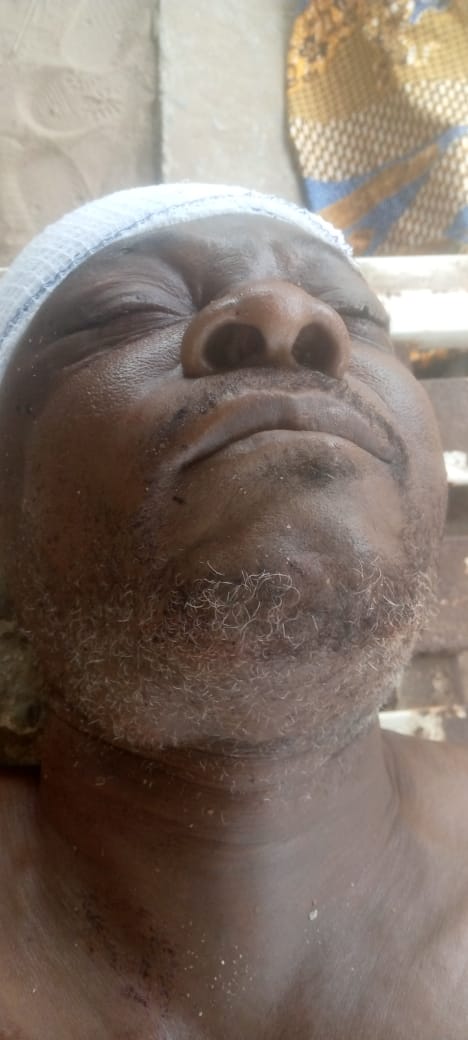
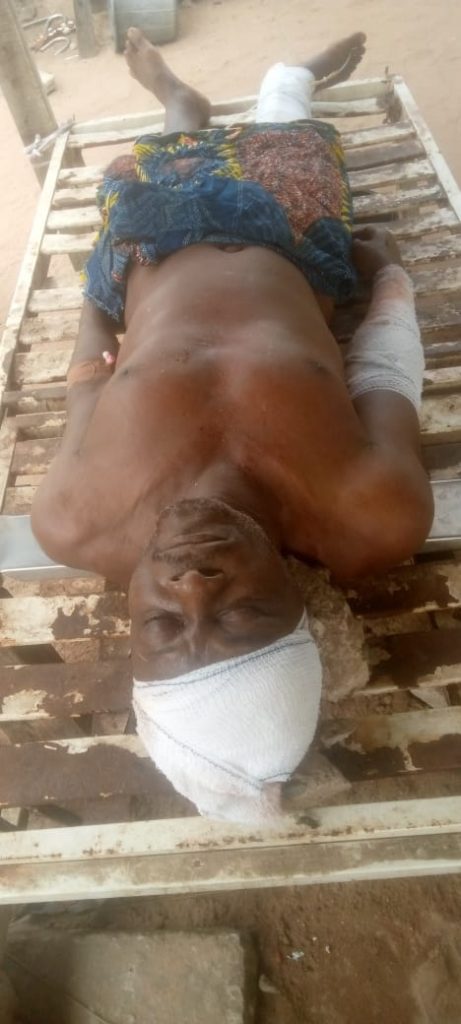
They were informed that Mr. Igbebor had been involved in a fatal hit-and-run accident and was hospitalized with severe head injuries and badly shattered legs. The information, however, was met with skepticism.
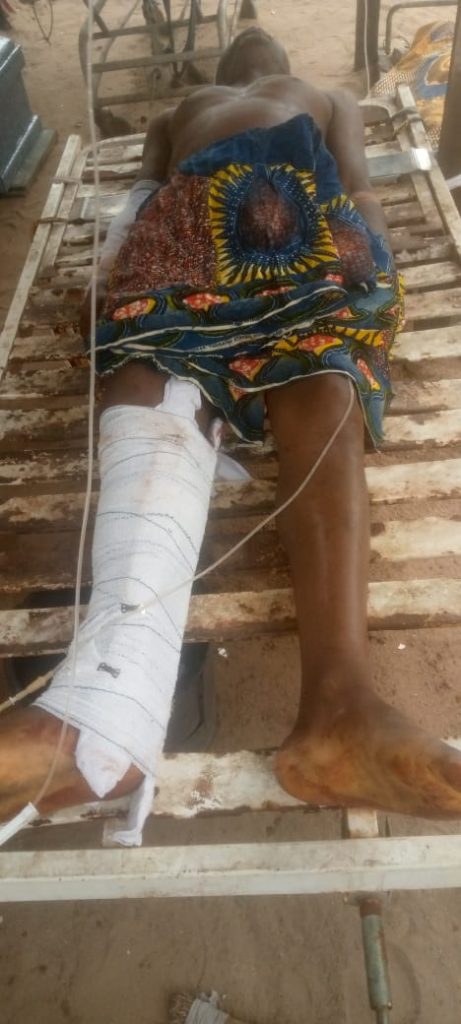
According to his daughter a repeated requests for visual confirmation—through pictures or video calls—were met with what she described as “constant excuses” over a period exceeding 24 hours.
“It went from one excuse to another. I called up to 30 times asking for pictures. Even when they said he was in the mortuary, they claimed nobody there had a smartphone to send images,” she recounted.
The situation grew more suspicious as attempts to verify the claims became increasingly difficult. A mortuary attendant, identified as Edet Eyong Patrick, later contacted the family, promising to send photographic evidence. However, this too was delayed by what were described as inconsistent explanations, ranging from lack of data to unavailability.
Eventually, images were sent on Saturday, March 28, 2026—but only after significant delay. According to the family, the photos showed the body already covered, with no visible documentation of the alleged injuries.
These developments have raised serious concerns and unanswered questions about the true circumstances surrounding Mr. Igbebor’s death.
Further complicating the narrative are accounts from individuals familiar with the family’s struggles. A practicing journalist living near the family, who requested anonymity, described a household under severe distress:
“The burden was overwhelming. The wife struggled with a small akara business, while the children made sacrifices just to support the home. The situation had clearly gone beyond what one family could handle alone.”
The case has since sparked broader conversations about:
- spousal responsibility in times of illness,
- the role of extended family support systems,
- and the need for transparency in handling cases of sudden or suspicious death.
As of the time of this report, many questions remain unanswered.
Was it truly an accident?
Why was there resistance to providing timely evidence?
And could this tragic outcome have been prevented?
What is clear, however, is that this is more than a family tragedy—it is a reflection of deeper societal challenges surrounding healthcare, poverty, and shared responsibility.
A life marked by prolonged illness, a family stretched beyond limits, and a death shrouded in unanswered questions—Mr. Daniel Onun Igbebor’s story is a sobering reminder of the fragile intersection between marriage, family, and societal support systems in Nigeria.
—-Emeka Amaefula—–+234(0)8111813069—