

By Emeka Amaefula
INSIDE THE CROWN ROOM: WHY IGBO KINGS TAKE THEIR FIRST OATH IN ABSOLUTE SECRECY BEFORE PUBLIC CORONATION
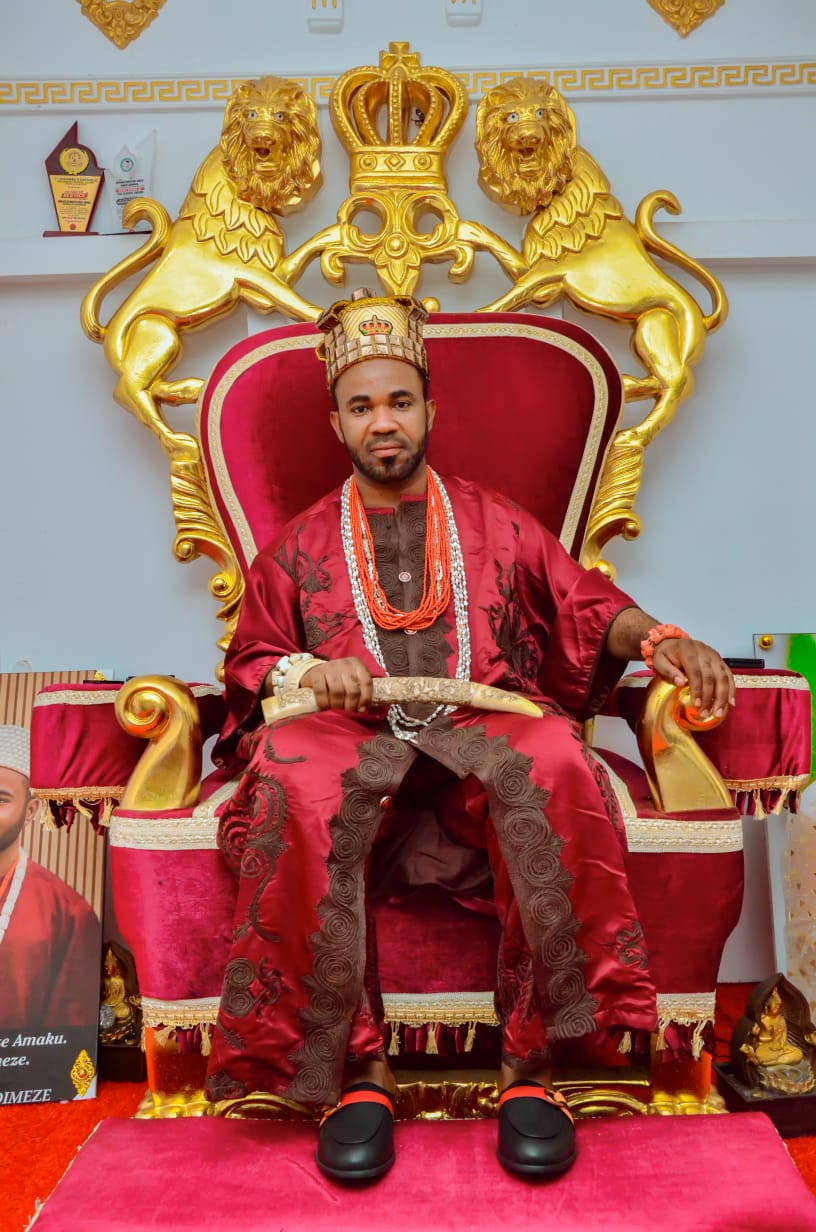
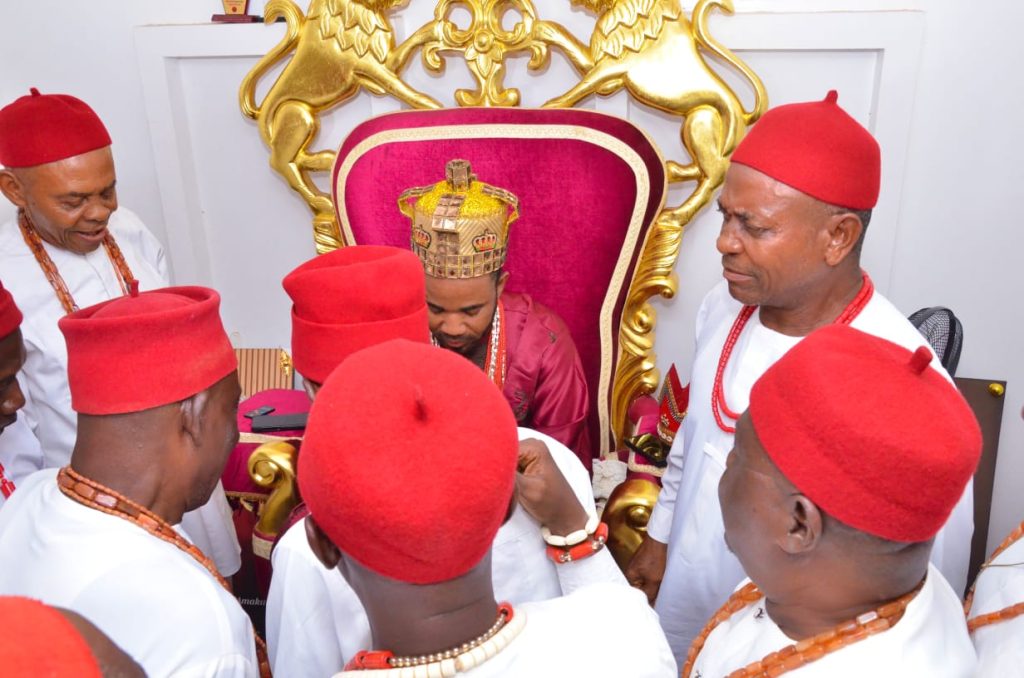
In Igboland, the installation of a crowned monarch has never been a one-stage spectacle. While the community gathers in splendour to witness the grand procession and hearing of ivory horn trumpets, the true coronation begins long before drums roll and camera lights flicker. Deep within sacred ancestral limits, the Igwe, Eze, Obi or traditional ruler undergoes a ritual oath-taking that is strictly closed to the public.
This private rite, cultural historians say, is not secrecy for dramatics — it is the core of legitimacy. Only kingmakers, titled elders and priest custodians are present when the incoming king is led to the ancestral stool. There, he swears an oath of allegiance not merely to the people, but to the land deity, the ancestors and to the spiritual covenants that uphold the throne. He vows to rule with justice, avoid tyranny, maintain ritual purity and safeguard the sacred mysteries of kingship.
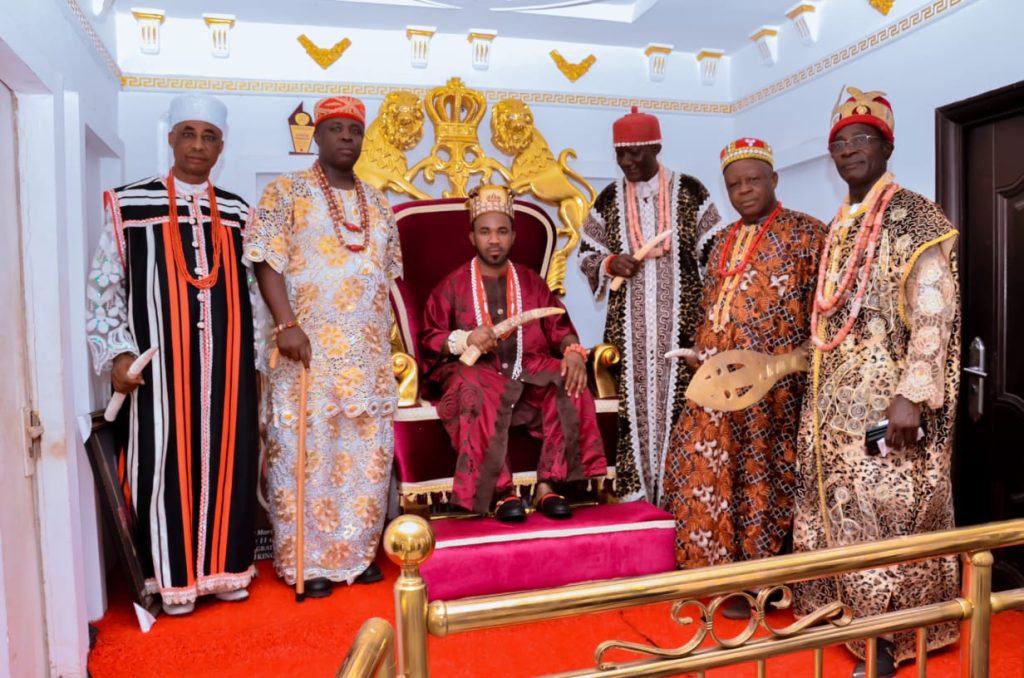
Once this hidden covenant is sealed, the king receives consecration oils, symbolic kola communion and the Ofo staff, before stepping out for his public recognition. At this second stage, the kingdom celebrates, the regalia is displayed and the crown is presented for the world to see. Yet the throne remains valid only because the invisible rites have been completed.
It is a structure not unique to Igboland. In England, when King Charles III was crowned, the most sacred section of the coronation — the anointing — was concealed behind a golden screen, hidden from cameras and foreign eyes. Traditional monarchies from Morocco to Benin to Japan also share this dual nature: a secret enthronement oath, followed by a public coronation.

Igbo custodians insist that kingship is first a spiritual contract before a civic office. “You cannot wear the crown until the ancestors acknowledge you,” a palace ritual chief in Owerri explained. This is why the private rites are sacrosanct. If violated, the throne risks instability, cultural backlash and loss of royal authority.

So while society applauds the grandeur of the public parade, the real coronation — the one that binds the king to the soul of his land — takes place far from the sound of drums, in whispering ancestral corridors where history, culture and divine mandate seal their bond.
——–Emeka Amaefula —–+234(0)8111813069—-